
Melt Flow Rate(MFR) Testing
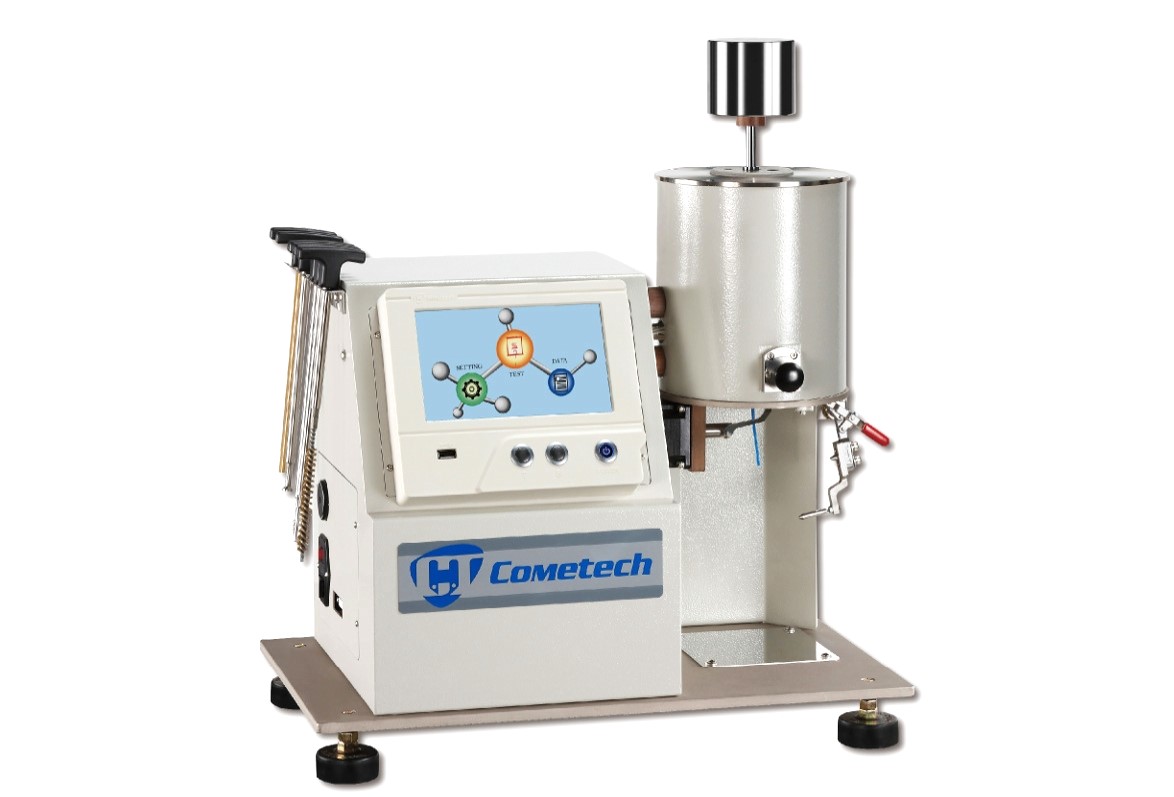
Melt Flow Rate (MFR) Testing: Ensuring Consistency in High-Performance Injection Molding
In the production of precision-engineered components—ranging from automotive power modules to aerospace-grade insulators—the success of the injection molding process begins with the flow characteristics of the raw material. Melt Flow Rate (MFR) Testing, also known as Melt Flow Index (MFI), is the primary analytical method used to quantify the flowability of a thermoplastic polymer under controlled temperature and pressure.
The Methodology: How MFR is Measured
MFR testing is an extrusion-based process that measures the mass of a polymer (in grams) that flows through a calibrated capillary die over a period of 10 minutes.
The test involves a standardized apparatus consisting of a heated barrel, a piston, and a specific weight load. The process follows three critical steps:
-
Pre-heating: The polymer resin (granules or powder) is loaded into the barrel and heated to a specific temperature based on the material type (e.g., 230°C for PP, 343°C for PEEK).
-
Extrusion: A specific load (e.g., 2.16 kg or 5 kg) is applied to the piston, forcing the molten material through the orifice.
-
Calculation: The extruded "string" of plastic is cut at precise intervals and weighed.
The result is expressed in g/10 min. The basic formula for the MFR calculation is:
$$MFR = \frac{600}{t} \times m$$
(Where $m$ is the mass of the extrudate in grams and $t$ is the time of the cut in seconds.)
Why MFR is Critical for Precision Manufacturing
MFR acts as a vital "signature" of the polymer’s molecular weight and processability. Its significance in high-stakes manufacturing cannot be overstated:
-
Process Optimization: A high MFR indicates a lower viscosity, meaning the material flows more easily. This is essential for filling thin-walled or complex geometries, such as multi-cavity micro-connectors. Conversely, a low MFR is often preferred for parts requiring higher mechanical strength and impact resistance.
-
Material Verification: MFR testing ensures that the material received from suppliers matches the technical datasheet. Even small deviations in MFR can lead to "short shots" (incomplete filling) or excessive "flash" (leaking at the mold parting line).
-
Controlling Recycled Content: When utilizing regrind or recycled materials, MFR testing detects if the molecular chains have degraded during previous heat cycles, ensuring that the structural integrity of the final part—such as IGBT housings—is not compromised.
High-Performance Polymers and Extreme Conditions
For advanced materials like LCP (Liquid Crystal Polymer) and PEEK (Polyetheretherketone), MFR testing is a functional necessity. These materials often have narrow processing windows and high melting points.
-
LCP: Known for its exceptional flow in thin walls, MFR testing confirms that the material will properly encapsulate delicate inserts during insert molding without damaging them.
-
PEEK: For flight-critical parts, such as stator coil fixing rings, MFR testing validates that the high-temperature extrusion hasn't caused thermal degradation of the polymer.
Standards and Compliance
To ensure global consistency, MFR testing is strictly governed by international standards:
-
ASTM D1238: The standard test method for melt flow rates of thermoplastics by extrusion plastometer.
-
ISO 1133: The international equivalent, focusing on the determination of the melt mass-flow rate (MFR) and melt volume-flow rate (MVR).
Integrating MFR testing into the Total Engineering workflow provides a scientific foundation for quality assurance. By verifying material flow before it ever enters the mold, manufacturers can significantly reduce waste, optimize cycle times, and guarantee the high-reliability performance required by global technology leaders in the EV, medical, and aerospace sectors.
Melt Flow Rate Test (MFR Test): Ming-Li Precision’s Cometech QC-652S for Advanced Polymer Flow Analysis
Introduction
In plastic injection molding, material behavior during melting and flow is one of the most critical factors affecting product quality. The Melt Flow Rate (MFR) Test is a fundamental method used to evaluate how thermoplastic materials behave under heat and pressure.
At Ming-Li Precision Steel Molds Co., Ltd., strict material verification is an essential part of the manufacturing process. One of the key instruments supporting this capability is the Cometech QC‑652S Melt Flow Index Tester, designed for accurate and standardized melt flow analysis.
What is Melt Flow Rate (MFR)?
Melt Flow Rate (MFR), also known as Melt Index (MI), measures the amount of molten polymer that flows through a standardized die under specific temperature and load conditions.
The test provides key indicators of:
- Material viscosity
- Processing behavior
- Molecular weight consistency
The QC-652S can measure both:
- MFR (Melt Mass Flow Rate)
- MVR (Melt Volume Flow Rate)
These values are essential for ensuring stable injection molding performance.
Cometech QC-652S: High-Precision Melt Flow Testing System
The QC-652S is a professional melt flow index tester designed to comply with international standards, including:
- ASTM D1238
- ISO 1133
- GB/T 3682
It is widely used in the plastics industry to evaluate thermoplastic materials under controlled conditions.
Key Technical Capabilities
1. Standardized and Reliable Testing
The QC-652S performs melt flow testing under:
- Controlled temperature conditions (approx. 50°C to 320–400°C)
- Defined load weights (various selectable masses)
This ensures accurate and repeatable results aligned with global standards.
2. High Measurement Accuracy and Stability
The system features:
- Timer accuracy of ±0.01 seconds
- Precision die and piston system
- Stable heating control
This guarantees consistent measurement performance for quality control.
3. Multi-Mode Testing (MFR & MVR)
The QC-652S supports:
✔ Melt mass flow rate (MFR)
✔ Melt volume flow rate (MVR)
Optional accessories allow testing of:
- High-flow materials
- Specialized polymer behaviors
4. User-Friendly Operation with Data Management
Equipped with:
- Touchscreen interface
- Guided test procedures
- Built-in analysis and data storage
This allows operators to:
✔ Perform tests efficiently
✔ Store and export results for traceability
Applications at Ming-Li Precision
The QC-652S plays a critical role in:
• Raw Material Qualification
- Verifying incoming plastic resin quality
- Ensuring consistency between batches
• Injection Molding Process Optimization
- Selecting optimal processing parameters
- Predicting flow behavior during molding
• High-Performance Material Control
Particularly important for engineering plastics such as:
- PEEK
- LCP
- PA, PBT, PC
• Quality Assurance and Failure Analysis
- Identifying material degradation
- Detecting inconsistencies in polymer properties
Why MFR Testing Matters
Melt flow characteristics directly impact:
- Filling behavior in molds
- Dimensional stability
- Surface quality (flow marks, short shots)
- Mechanical strength and performance
By utilizing the QC-652S, Ming-Li Precision ensures:
✔ Stable molding conditions
✔ Consistent product quality
✔ Reduced defect rates
✔ Optimized production efficiency
Ming-Li Precision’s Quality Commitment
With advanced inspection and testing systems including:
- ZEISS CMM
- ZEISS optical measurement systems
- ZEISS optical microscopes
- ACCRETECH RONDCOM (form measurement)
- Mitutoyo surface roughness tester
- Precisa moisture analyzer
- Cometech QC-652S (MFR testing)
Ming-Li Precision delivers:
- Complete material-to-product quality control
- Data-driven manufacturing processes
- High reliability for precision components
Combined with expertise in insert molding, 2K molding, and ultra-precision tooling, Ming-Li provides a true Total Engineering Solution.
Conclusion
The Cometech QC-652S Melt Flow Index Tester is a critical tool for evaluating polymer flow behavior and ensuring material consistency.
At Ming-Li Precision, this capability enables:
- Better material selection
- Improved process stability
- Higher product quality
Contact Ming-Li Precision
If your project requires:
- High-precision mold manufacturing
- Advanced material testing and validation
- Reliable injection molding solutions
Ming-Li Precision is your trusted partner for precision engineering and quality assurance.