
PEEK & High Temp Material Mold
PEEK Mold, PEEK Tooling & High Temp Material Mold Manufacture
A high-performance PEEK mold and PEEK tooling system is essential for manufacturing high-temperature engineering plastic components requiring dimensional stability, wear resistance, thermal durability, and tight tolerance control.
Ming-Li Precision specializes in PEEK mold, PEEK tooling, and high temperature material mold solutions for semiconductor, power electronics, medical, automotive, aerospace, space-related, and industrial applications.
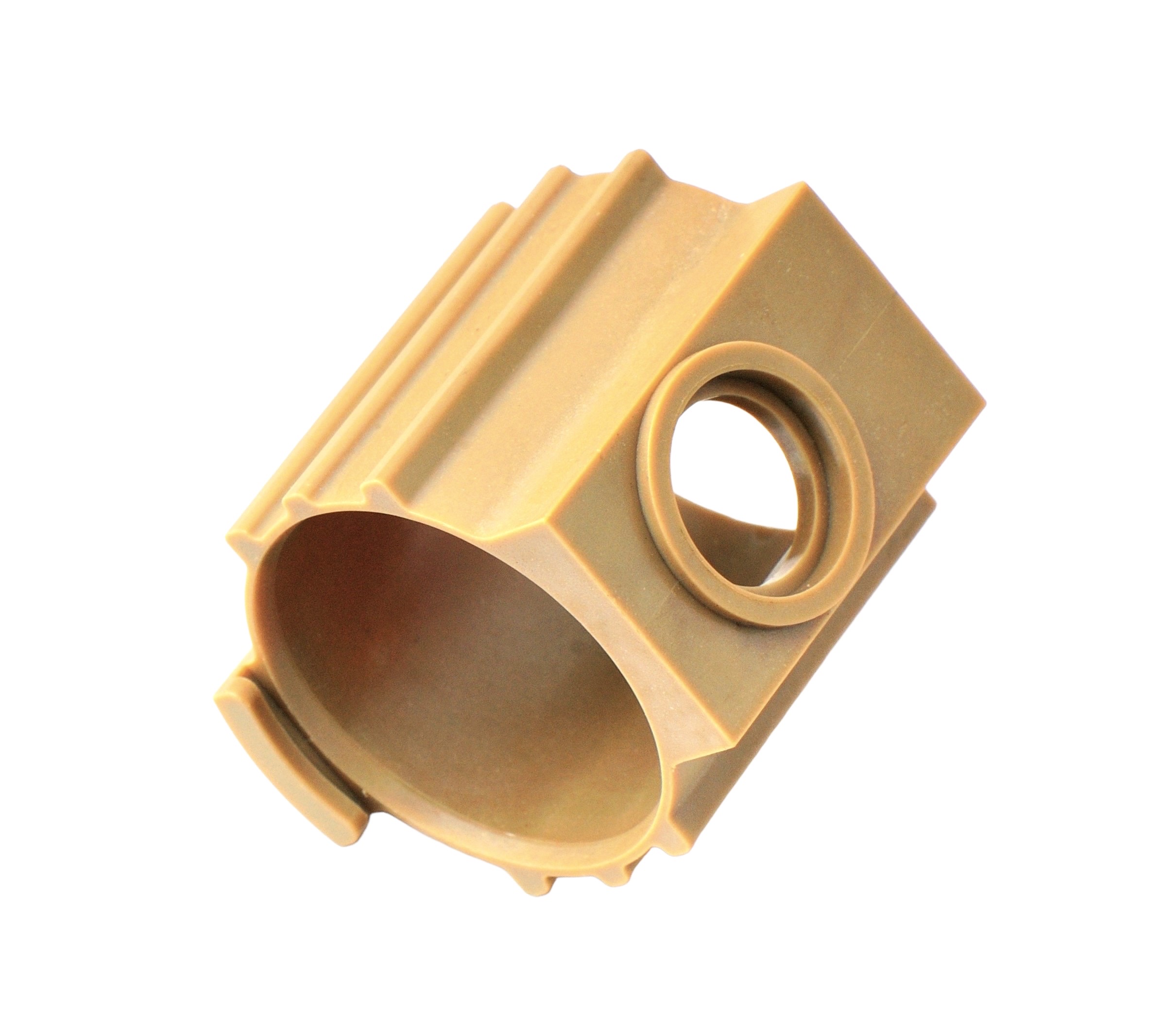
What Is a PEEK Mold and PEEK Tooling?
A PEEK mold is a specialized mold system designed for manufacturing precision components using PEEK and other ultra-high-performance engineering plastics. Unlike conventional plastic molds, PEEK tooling must withstand higher thermal loads, abrasive wear, material shrinkage behavior, and thermal expansion challenges.
A successful PEEK mold must maintain high-temperature dimensional stability, long-term wear resistance, tight tolerance repeatability, stable shut-off performance, flash mitigation, thermal expansion compensation, and precision venting performance.
A successful PEEK tooling system must control:
- High-temperature dimensional stability
- Long-term wear resistance
- Flash mitigation under high thermal conditions
- Thermal expansion compensation
- Advanced micro-venting performance
- Gate wear and shut-off durability
- Glass-filled PEEK abrasion
- Long-term mold life
In many high-performance applications, PEEK tooling precision becomes even more important than material capability itself. Even premium PEEK materials may fail if the tooling design cannot maintain dimensional stability during production.
Why PEEK Mold Is Difficult
Designing a high-performance PEEK mold is difficult because PEEK and glass-filled PEEK materials create severe wear, thermal expansion, shut-off, venting, and dimensional stability challenges.
Engineers searching for PEEK mold steel, glass-filled PEEK tooling, aerospace PEEK mold, or high temperature mold design are usually concerned with flash generation, gas burn marks, carbonization, mold wear, thermal deformation, gate freezing, and dimensional drift.
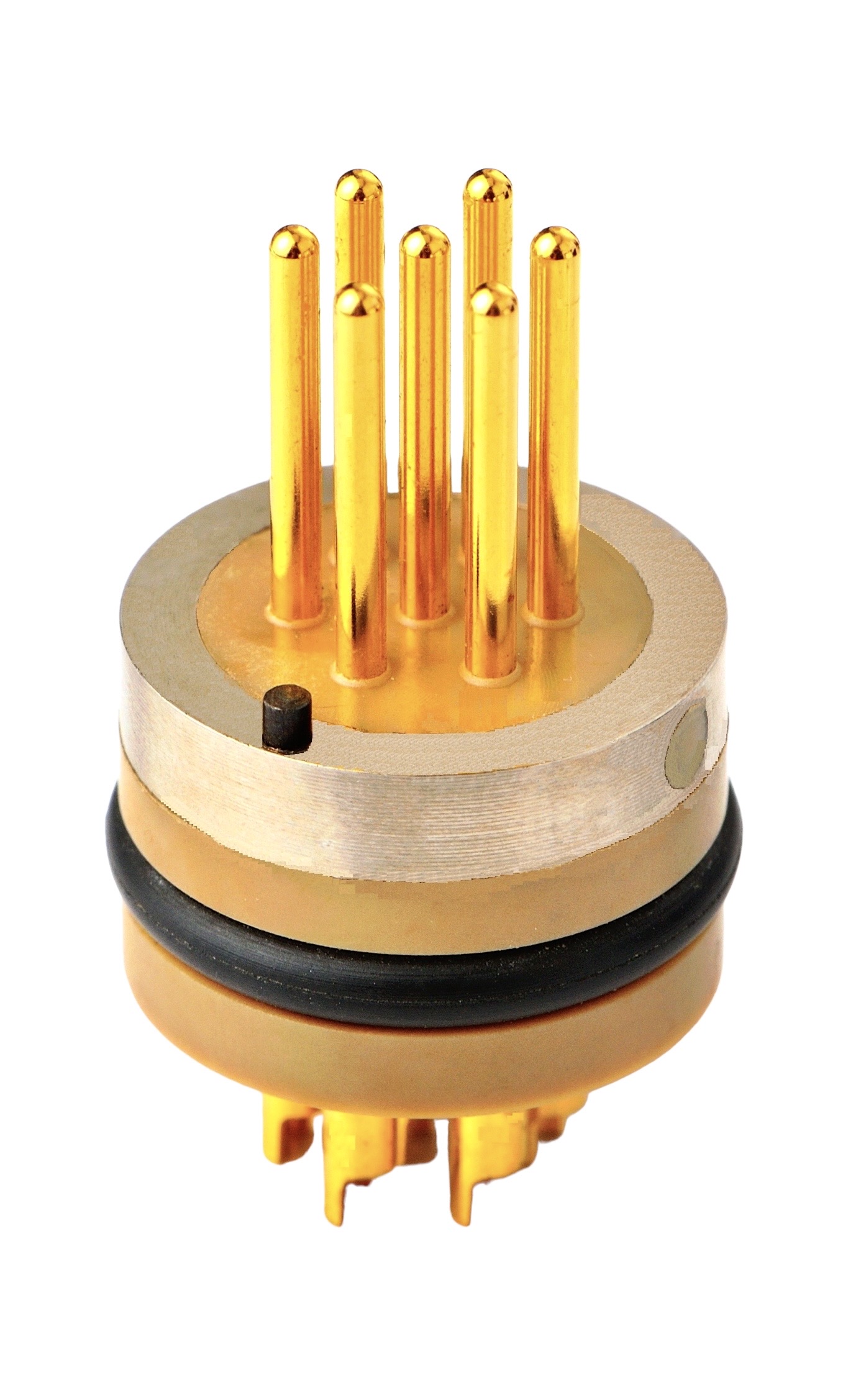
Why High Temp Material Mold Is More Challenging Than Standard Tooling
Compared with standard plastic molds, high temperature material tooling requires substantially more advanced mold engineering. High-performance plastics such as PEEK, PPS, LCP, PEI, PA9T, PPA, and PPSU introduce tooling challenges because of higher thermal stress, stronger shrinkage force, higher viscosity, glass fiber abrasion, and increased mold wear.
A poorly designed PEEK mold may result in:
- Flash generation
- Gas burn marks and black spots
- Carbonization caused by poor gas evacuation
- Dimensional instability
- Warpage
- Mold deformation
- Gate freezing issues
- Excessive mold wear
Why PEEK Mold Precision Matters
A high-quality PEEK mold must maintain dimensional stability under high thermal conditions. Unlike general plastic tooling, even small mold deformation or thermal imbalance can lead to dimensional drift, sealing failure, assembly instability, flash generation, cosmetic defects, or functional failure.
This becomes especially critical in semiconductor equipment, medical connectors, power module components, high-voltage insulation systems, EV electronics, aerospace components, and advanced space-related parts.
Thermal Stability
PEEK tooling requires compensation for thermal expansion, shut-off movement, and mold deformation under elevated temperature conditions.
Flash Control
Ultra-precision shut-off structures and machining accuracy help reduce flash risk in critical sealing and functional areas.
Dimensional Repeatability
PEEK mold precision directly affects product approval, assembly performance, and long-term production consistency.
Key Challenges in PEEK Mold Design
High Mold Temperature Resistance
A PEEK mold must maintain tooling stability under elevated thermal conditions to reduce dimensional shift and shut-off instability.
PEEK Mold Steel Selection
Proper PEEK mold steel selection is critical for wear resistance, dimensional stability, and long-term tool life.
Thermal Expansion Compensation
A precision PEEK mold must compensate for thermal expansion, differential shrinkage, geometric deformation, and stress concentration.
Flash Control for High Temp Plastics
High mold temperature can increase flash risk. Ming-Li applies ultra-precision machining and high-precision shut-off structures.
Venting & Carbonization Control
Advanced micro-venting design and optimized gas evacuation concepts help reduce gas burn marks, surface defects, and carbonization risks caused by ultra-high PEEK melt temperatures.
Gate Design for PEEK Tooling
Gate location, flow balance, and gate wear resistance are reviewed to reduce weld lines, internal stress, and deformation.
PEEK Mold Design for Thin Wall & Precision Parts
Precision PEEK mold design becomes especially important for thin-wall parts, connector components, semiconductor plastic parts, and power electronics structures. These applications require careful review of flow balance, gate freeze risk, venting, shut-off precision, and warpage control.
PEEK Connector Mold
Precision shut-off surfaces and stable dimensional control are critical for connector housings and high-temperature functional interfaces.
Power Module Components
PEEK tooling for power electronics must support insulation stability, tight fit, and long-term thermal reliability.
Semiconductor Plastic Mold
High-temperature material tooling must maintain cleanliness, dimensional consistency, and precise mold geometry.
High Wear Challenges for Glass-Filled PEEK Mold
Glass-filled PEEK mold and carbon-filled high-temperature materials may accelerate mold wear significantly. For glass-filled PEEK tooling applications, Ming-Li evaluates mold steel hardness, gate wear resistance, shut-off durability, venting performance, and long-term mold life.
- Mold steel hardness and toughness
- Gate and runner wear resistance
- Shut-off durability under high temperature
- Surface treatment or coating strategy
- Advanced micro-venting performance
- Long-term tooling maintenance planning
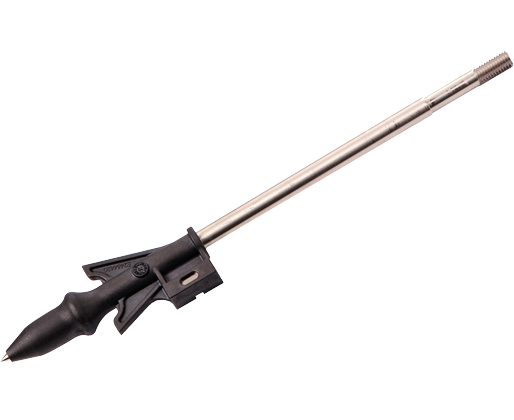
YASDA 5-Axis Precision Machining for PEEK Tooling
High-temperature tooling is not only about heat resistance. A reliable PEEK mold requires precision machining, wear-resistant steel strategy, thermal compensation, and inspection capability.
YASDA 5-axis ultra-precision machining supports complex cavity geometry, hard milling of high-hardness mold steels, and precision shut-off structures for high-temperature engineering plastic tooling. Ming-Li also combines GF AgieCharmilles EDM / Wire Cut, Moldflow-supported review, and ZEISS precision metrology to support demanding PEEK tooling programs.
Why Engineers Choose Ming-Li for PEEK Tooling
| Critical Challenge | Typical Supplier Risk | Ming-Li Precision Solution |
|---|---|---|
| High mold temperature | Mold deformation | Thermal compensation and dimensional stability review for high temperature mold design |
| Glass-filled wear | Mold erosion | Wear-resistant PEEK mold steel strategy and tooling durability review |
| Venting & carbonization | Gas burn marks, black spots, and surface defects | Advanced micro-venting design and optimized gas evacuation concepts help reduce carbonization risks caused by ultra-high PEEK melt temperatures |
| Flash generation | Shut-off wear | Ultra-precision machining up to ±1 μm and high-precision shut-off design |
| Dimensional drift | Thermal instability | Moldflow-supported compensation strategy for thermal behavior and shrinkage risk |
| Tight tolerance requirements | Poor repeatability | YASDA 5-axis ultra-precision machining and GF AgieCharmilles EDM / Wire Cut |
| Hidden defects | Unverified internal structure | ZEISS CT scanning and dimensional validation support |
| Long-term production | Mold degradation | Wear-resistant tooling concepts and in-house production support |
PEEK Mold vs Standard Plastic Mold
| Category | PEEK Mold / PEEK Tooling | Standard Plastic Mold |
|---|---|---|
| Mold Complexity | Very high | Medium |
| Thermal Stability Requirement | Critical | Standard |
| Wear Resistance Requirement | High, especially for glass-filled PEEK | Medium |
| Venting Requirement | Critical due to gas burn and carbonization risk | Standard |
| Flash Risk | High under elevated thermal conditions | Medium |
| Thermal Expansion Compensation | Critical | Low |
| Tooling Precision Requirement | Ultra-precision tooling control | Standard precision |
| Mold Lifetime Challenge | High | Medium |
For demanding applications, PEEK tooling requires substantially more advanced engineering than conventional plastic tooling.
High Temperature Material Compatibility
At Ming-Li Precision, tooling development supports multiple high-temperature engineering plastics beyond PEEK. Each material requires different mold steel selection, shrinkage compensation, venting strategy, shut-off structure, heating control, and cooling layout.
High-Temperature Polymer Support
- PEEK
- PPS
- LCP
- PEI
- PA9T
- PPA
- PPSU
Filled Material Tooling
- Glass-filled PEEK mold
- Carbon-filled PEEK tooling
- Glass-filled PPS mold
- LCP precision tooling
High-Performance Applications
- Semiconductor components
- Power electronics & modules
- Medical connectors
- EV insulation systems
- Aerospace and space-related components
Common Applications of PEEK Mold and High Temp Material Tooling
Semiconductor Industry
High-temperature precision components requiring dimensional consistency, thermal resistance, and clean tooling stability.
Power Electronics & Power Modules
Automotive-grade PEEK tooling, PPS mold, and high-temperature mold solutions for high-voltage insulation, structural support, and thermal stability.
Medical Devices
Precision medical connectors and high-performance components requiring dimensional repeatability and material reliability.
Aerospace & Space Applications
Lightweight and high-performance aerospace and advanced space-related components requiring extreme environmental resistance and stable mold precision, including specialized PEEK stator coil fixing rings, high-temperature structural housings, and precision functional brackets.
Automotive Electronics
High-temperature connectors, sensor housings, EV insulation parts, and functional components for demanding environments.
Industrial Systems
High-temperature structural components, wear-resistant parts, and precision engineering plastic applications.
Ming-Li Precision High Temp Tooling Development Process
Ming-Li supports customers from early DFM review to precision tooling development and validation. Our PEEK tooling process is designed to reduce risk before mass production.
DFM & Moldflow
High Temp Mold Concept
±1 μm Precision Tooling
Mold Trial & CT Validation
In-House Production Support
Why High-Precision PEEK Tooling Matters
A successful PEEK mold depends heavily on tooling precision. At Ming-Li Precision, our tooling capability includes YASDA 5-axis ultra-precision machining up to ±1 μm, GF AgieCharmilles EDM and Wire Cut, ZEISS precision metrology and CT scanning, Moldflow simulation support, and high-temperature material tooling experience.
With PEEK production experience exceeding 100 tons and an IATF 16949 certified quality system, Ming-Li supports demanding high-temperature plastic mold programs from DFM to in-house production.
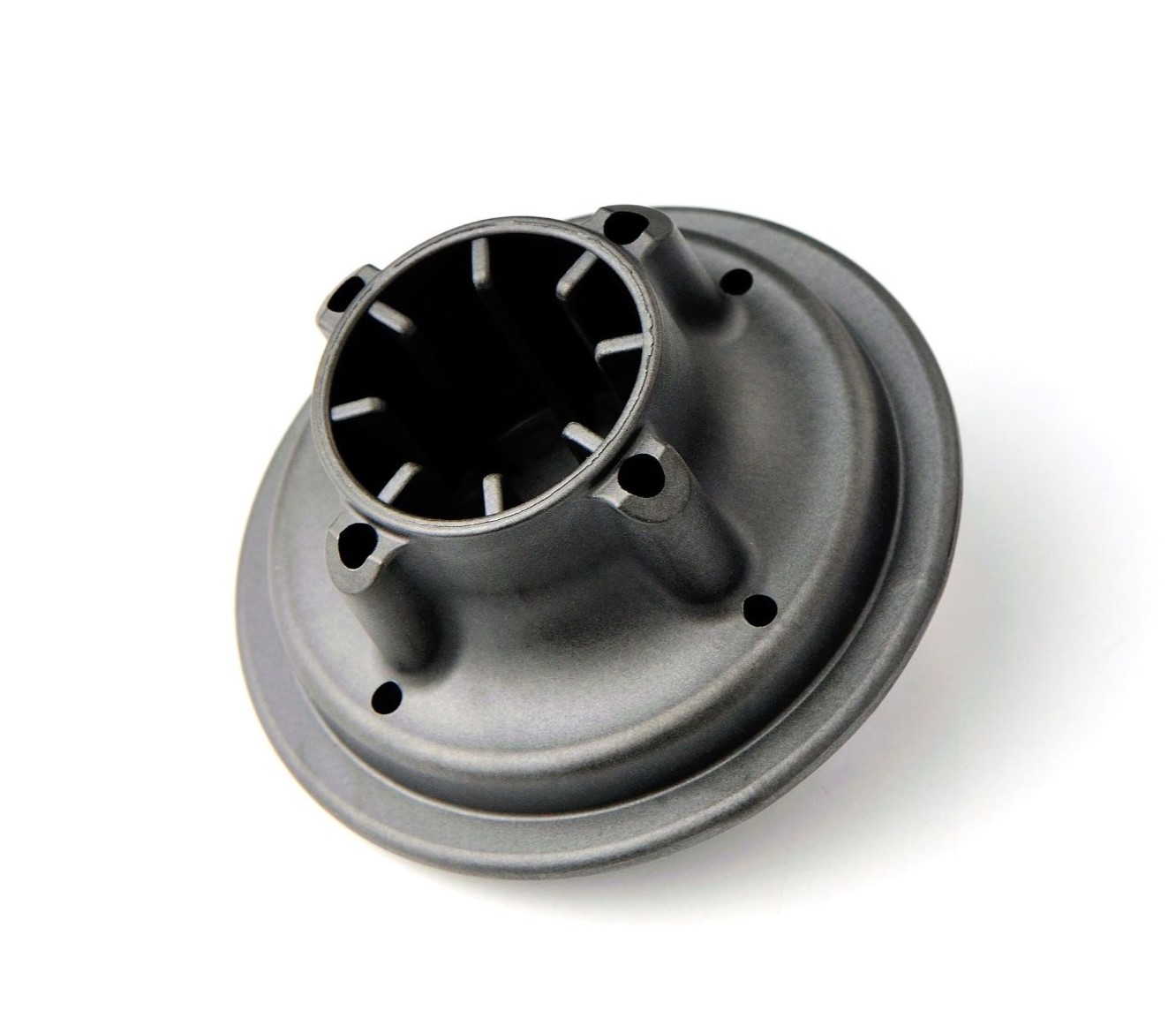
Why Choose Ming-Li Precision for PEEK Mold and High Temp Material Tooling?
Choosing the right PEEK mold manufacturer or PEEK tooling supplier directly impacts product quality, dimensional consistency, mold lifetime, and long-term reliability.
- Advanced PEEK mold engineering
- High-temperature material tooling expertise
- YASDA 5-axis ultra-precision machining capability up to ±1 μm
- Advanced micro-venting and gas evacuation review
- Moldflow-supported tooling development
- Power module, semiconductor, aerospace, and space-related tooling experience
- PEEK production experience exceeding 100 tons
- IATF 16949 certified quality system
From medical and semiconductor applications to EV power electronics, aerospace components, and industrial systems, Ming-Li develops reliable high-temperature tooling solutions for demanding engineering plastics.
Frequently Asked Questions About PEEK Mold and PEEK Tooling
What is a PEEK mold?
A PEEK mold is a specialized mold designed for producing components using PEEK and other high-temperature engineering plastics.
Why is PEEK mold difficult?
PEEK mold development is more difficult because of higher thermal stress, wear resistance requirements, shrinkage behavior, venting challenges, carbonization risk, and dimensional stability requirements.
What is PEEK mold steel?
PEEK mold steel refers to wear-resistant mold steel selected to withstand high temperature, abrasive filled materials, shut-off wear, and long-term production requirements.
Why is glass-filled PEEK tooling difficult?
Glass-filled PEEK tooling is challenging because glass fiber reinforcement can accelerate mold wear, gate wear, vent clogging, and shut-off degradation.
How does Ming-Li manage mold temperature control for PEEK tooling?
Our PEEK tooling systems are engineered with optimized thermal insulation plates and high-efficiency electrical or oil-heating channel layouts integrated into the mold base architecture. This approach helps maintain uniform cavity temperature distribution, typically 160°C–200°C mold temperature, supports stable material crystallinity, and helps reduce localized thermal deformation during continuous high-temperature production.
Can PEEK tooling maintain tight tolerances?
Yes. With proper thermal compensation, tooling precision, mold steel selection, and mold engineering, tight tolerances can be maintained in high-temperature applications.
Can PEEK tooling maintain ±0.02 mm tolerance?
Depending on part geometry, material grade, wall thickness, and production conditions, precision PEEK tooling can support tight tolerance requirements. Ming-Li reviews each project case by case during DFM and tooling evaluation.
What high-temperature materials can Ming-Li support?
Ming-Li supports PEEK, PPS, LCP, PEI, PA9T, PPA, PPSU, and other high-performance engineering plastics.
What industries use PEEK mold?
PEEK mold and high-temperature tooling are commonly used in semiconductor, power electronics, medical devices, aerospace, space-related applications, automotive electronics, EV systems, and industrial applications.
Does Ming-Li provide tooling-only projects?
Ming-Li primarily provides an integrated manufacturing solution combining precision tooling and in-house production support to ensure stable quality, process consistency, and long-term tooling performance. For selected strategic projects, tooling-only discussions may be evaluated case by case.
Contact Ming-Li Precision
Looking for a reliable partner for PEEK mold, PEEK tooling, aerospace PEEK mold, or high temperature material tooling? Contact Ming-Li Precision today for DFM review, Moldflow-supported tooling feasibility evaluation, and scalable production support.
Contact Us