
2K mold / 2 shot tooling
2K Mold, 2 Shot Mold & 2K / 2 Shot Tooling Manufacture
A high-performance 2K mold, 2 shot mold, 2K tooling, and 2 shot tooling system is essential for manufacturing multi-material plastic components requiring dimensional stability, material interface precision, and flash-controlled performance.
Ming-Li Precision specializes in advanced 2K mold and 2 shot mold engineering, helping global customers transform complex multi-material product designs into stable, scalable, and mass-producible tooling solutions.
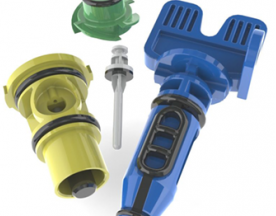
What Is a 2K Mold and 2 Shot Tooling?
A 2K mold, also called a 2 shot mold, is a specialized mold system designed to integrate two materials, two colors, or two functional surfaces into one plastic component. Unlike standard tooling, 2K tooling and 2 shot tooling require precise alignment between the first-shot and second-shot geometry.
A successful 2K mold must control the material interface, shut-off area, shrinkage difference, cooling balance, rotary or transfer mechanism, and long-term repeatability. In many multi-material products, final part quality depends heavily on tooling precision rather than molding conditions alone.
A successful 2K tooling system must control:
- First-shot and second-shot alignment accuracy
- Material interface precision
- Flash prevention between materials
- Ultra-precision shut-off performance
- Shrinkage compensation
- Cooling balance between cavities
- Rotary platen or core-back positioning repeatability
- Mold durability for long-term production
2K Mold vs 2 Shot Mold: Are They Different?
In practice, 2K mold and 2 shot mold refer to the same mold technology. The terminology often varies by region, but the tooling challenge remains the same: achieving precise multi-material integration inside one mold system.
| Region | Common Terminology |
|---|---|
| Europe | 2K mold / 2K tooling |
| North America | 2 shot mold / 2 shot tooling |
| Asia | Two-shot mold / multi-shot mold |
Ming-Li Precision designs both 2K tooling and 2 shot tooling solutions for global customers in automotive, power modules, electronics, medical devices, and industrial applications.
Precision Tooling for Multi-Material Interfaces
The critical challenge in a 2K mold or 2 shot mold is not only combining two materials, but controlling the interface between them. Poor alignment, weak shut-off, or unstable transfer positioning can cause flash, leakage, visible mismatch, and inconsistent bonding.
Ming-Li focuses on high-precision mold alignment, ultra-precision shut-off design, Moldflow-supported concept review, and tooling validation to reduce production risk before mass production.
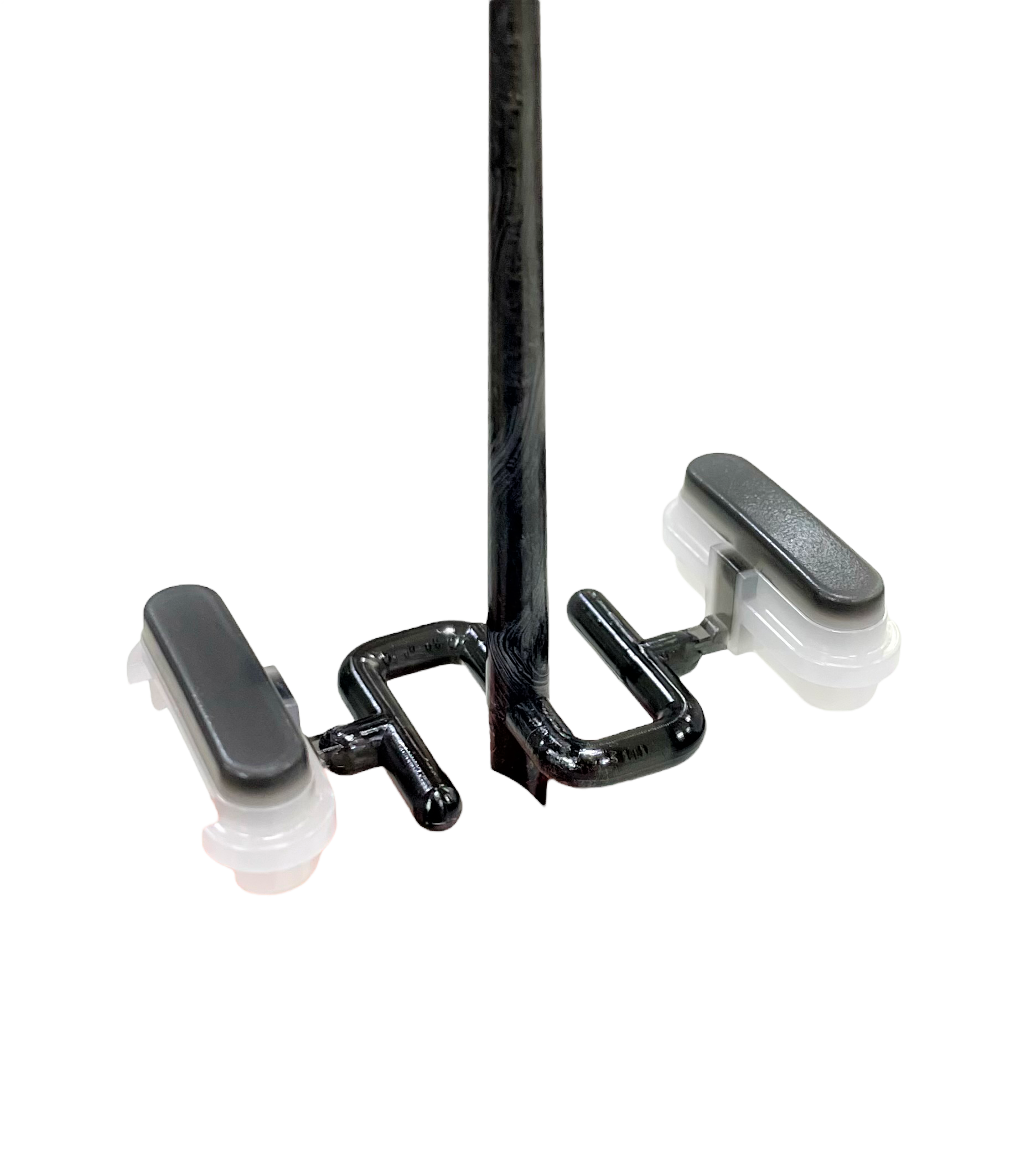
Why 2K Tooling Is More Challenging Than Standard Mold Design
Compared with conventional injection molds, 2K tooling and 2 shot tooling require significantly more complex mold engineering. The mold must coordinate multiple cavities, material transitions, substrate positioning, rotary movement, core-back movement, and shut-off systems without creating dimensional instability or cosmetic defects.
A poorly designed 2K mold may result in:
- Material mismatch
- Poor bonding performance
- Flash between materials
- Warpage
- Dimensional inconsistency
- Cosmetic defects
- High scrap rates
- Unstable long-term production
Why 2K Mold Precision Matters
A high-quality 2K mold or 2 shot mold must maintain tight alignment between the first-shot and second-shot features. Even small tooling deviation can create visible mismatch, sealing failure, resin leakage, or dimensional variation.
For automotive, medical, waterproof electronics, and power electronics applications, 2K tooling precision directly affects product performance, customer approval, and mass production yield.
Material Interface Accuracy
Precise tooling alignment helps minimize mismatch between first-shot and second-shot materials.
Flash Mitigation
Ultra-precision shut-off design helps reduce resin leakage and flash along the multi-material interface.
Production Repeatability
Stable locking, rotary platen, core-back, or transfer positioning supports consistent 2 shot mold production over long programs.
Why Engineers Choose Ming-Li for 2K Tooling
| Critical Challenge | Typical Supplier Risk | Ming-Li Precision Solution |
|---|---|---|
| First-shot alignment | Material mismatch or visible offset | Ultra-precision mold manufacturing up to ±1 μm, supported by YASDA ultra-precision machining and GF AgieCharmilles EDM / Wire Cut, minimizes mismatch risk and maintains highly repeatable secondary clamping alignment. |
| Flash between materials | Resin leakage at the interface | Advanced shut-off engineering combined with mirror-finish EDM processing significantly reduces flash risk at multi-material bonding interfaces. |
| Rotary positioning | Dimensional instability between shots | In-house review of rotary platen, index plate, and locking mechanisms with precision locking block concepts to support long-term mechanical positioning repeatability. |
| Core-back movement | Unstable second-shot cavity opening | Core-back 2 shot tooling concepts are reviewed for slide accuracy, repeatable stroke control, and shut-off stability. |
| Multi-material bonding | Poor interface stability | Tooling optimization for material compatibility, shrinkage compensation, Moldflow review, and bonding geometry. |
| Long-term production | Mold wear and unstable output | High-hardness mold steel strategy, precision machining, CT validation, and in-house mass production support. |
Key Challenges in 2K Mold Design
First Shot to Second Shot Alignment
One of the most critical factors in 2 shot tooling is alignment precision between first-shot and second-shot geometry.
Rotary Platen Mold Precision
Many 2K mold systems rely on rotary platen 2K mold, rotary core, or index plate designs. Rotational precision directly impacts dimensional consistency.
Core-Back 2 Shot Tooling
Core-back 2 shot tooling requires stable core movement, repeatable stroke control, and precision shut-off to avoid second-shot flash.
Flash Control Between Materials
Engineers using 2 shot mold technology are often most concerned about flash at the material interface.
Shrinkage Compensation
Different materials shrink differently. A 2K mold must compensate for warpage, interface stress, and dimensional shift.
Cooling Balance
Balanced cooling layout helps reduce uneven shrinkage, material mismatch, and cycle inconsistency.
Common 2K Mold Structures
Different product designs require different 2K tooling and 2 shot tooling concepts. Ming-Li reviews part geometry, tolerance requirements, material combinations, production volume, and automation needs before selecting the mold structure.
Rotary Platen Mold
A rotary platen 2K mold rotates between first-shot and second-shot positions. Suitable for high-volume production, automotive parts, and consumer electronics.
Core-Back Mold
Core-back 2 shot tooling uses movable cores to create space for the second material. Suitable for sealing applications, soft-touch surfaces, and elastomer integration.
Index Plate Mold
The mold transfers the substrate between different cavities. Suitable for precision products and tight dimensional requirements.
Transfer Mold
The first-shot component is transferred into another cavity for secondary molding. Suitable for complex geometry products.
Rotary Core Mold
Rotary core design can support complex part orientation while maintaining accurate first-shot to second-shot relationship.
Multi-Shot Tooling Concept
For advanced multi-material parts, Ming-Li evaluates mold architecture based on product function and production scalability.
2K Mold vs Standard Mold: Key Engineering Differences
| Category | 2K Mold / 2 Shot Mold | Standard Mold |
|---|---|---|
| Mold Complexity | Very high | Medium |
| Alignment Accuracy | Critical | Standard |
| Flash Risk | High at the material interface | Medium |
| Tooling Precision Requirement | Ultra-precision tooling control | Standard precision |
| Multi-Material Interface | Critical | N/A |
| Rotary / Transfer / Core-Back Mechanism | Often required | Usually not required |
| Tolerance Control & Flash Mitigation | Ultra-precision alignment and shut-off design help minimize material mismatch, resin leakage, and flash between two materials. | Less complex because there is no second-shot interface. |
Material Considerations for 2K Tooling
At Ming-Li Precision, 2K mold engineering is optimized according to material behavior. Each material combination requires different shrinkage compensation, shut-off design, cooling strategy, Moldflow analysis, and bonding geometry.
Hard + Soft Combination
- PC + TPU
- PA + TPE
- ABS + TPE
- PBT + TPU
Engineering Plastics
- PPS
- PEEK
- PA66 GF
- LCP
- PC
- PBT
High-Temperature Polymer Integration
- PEEK tooling support
- LCP multi-material design review
- PPS / PA9T high-temperature applications
- Power electronics and industrial components
Common Applications of 2K Mold and 2 Shot Tooling
Automotive
Automotive interiors, connectors, sealing components, and functional interfaces requiring IATF 16949 compliant production and automotive-grade tooling precision.
Power Electronics & Power Modules
Automotive-grade 2K tooling for power electronics, insulation interfaces, sealing areas, and high-temperature engineering plastics such as PPS, PA9T, and PBT.
Medical Devices
Multi-material housings and ergonomic components requiring dimensional stability and clean material interfaces.
Consumer Electronics
Soft-touch products, wearable devices, waterproof structures, and premium electronic housings.
Industrial Applications
Precision sealing products, functional grips, vibration-control components, and complex multi-material assemblies.
Bicycle & Outdoor Products
Functional grips, sealed components, and durable hard-soft material interfaces for demanding environments.
Ming-Li Precision 2K Tooling Development Process
Ming-Li supports customers from early DFM review to precision mold manufacturing and production validation. Our 2K tooling process includes advanced Moldflow simulation for multi-material thermal interaction and shrinkage analysis to reduce risk before mass production.
DFM & Moldflow
2K Mold Concept Design
±1 μm Precision Tooling
2-Shot Trial & CT Validation
In-House Mass Production
Why High-Precision 2K Tooling Matters
A successful 2 shot mold depends on tooling precision. Even a strong product design may fail if the 2K mold cannot maintain alignment, shut-off performance, and repeatability during production.
- Over 5,000 precision molds manufactured
- YASDA ultra-precision machining accuracy up to ±1 μm
- GF AgieCharmilles EDM and Wire Cut
- Secondary clamping alignment and repeatability control
- Moldflow simulation support
- ZEISS precision metrology and CT scanning
- IATF 16949 certified quality system
- DFM, tooling validation, and production support
Why Choose Ming-Li Precision for 2K Mold and 2 Shot Tooling?
Choosing the right 2K mold manufacturer or 2 shot tooling supplier directly impacts product quality, dimensional consistency, flash control, mold lifetime, and long-term production stability.
- Advanced 2K tooling engineering
- High-precision 2 shot mold manufacturing
- Rotary platen 2K mold and core-back 2 shot tooling concept review
- Ultra-precision shut-off design
- Automotive-grade mold quality support
- Stable in-house production scalability
From automotive, medical, power electronics, and consumer electronics applications to complex industrial components, Ming-Li helps customers develop reliable multi-material tooling solutions.
Frequently Asked Questions About 2K Mold and 2 Shot Tooling
What is a 2K mold?
A 2K mold is a mold system designed to combine two materials or two colors into one component through sequential molding stages.
What is the difference between 2K mold and 2 shot mold?
There is no functional difference. 2K mold is more commonly used in Europe, while 2 shot mold is widely used in North America.
What is rotary platen 2K mold?
A rotary platen 2K mold rotates the first-shot component into the second-shot position, helping support high-volume multi-material production.
What is core-back 2 shot tooling?
Core-back 2 shot tooling uses movable cores to open space for the second material, commonly used for sealing features, soft-touch surfaces, and functional elastomer integration.
Why does flash happen in a 2 shot mold?
Flash in a 2 shot mold often occurs when shut-off areas, material interfaces, or first-shot to second-shot alignment are not controlled precisely enough.
How do you prevent material mismatch in a 2K mold?
Material mismatch can be reduced through precise mold alignment, stable rotary or transfer positioning, shrinkage compensation, Moldflow review, and optimized shut-off design.
What materials can be used in 2K tooling?
Common material combinations include PC + TPU, PA + TPE, ABS + TPE, PBT + TPU, PPS, PEEK, PA66 GF, LCP, and other engineering plastics.
What industries use 2 shot tooling?
2 shot tooling is commonly used in automotive, power electronics, medical devices, consumer electronics, industrial products, bicycle components, and wearable devices.
How much does 2K mold cost?
The cost of a 2K mold depends on part geometry, mold complexity, cavity number, material combinations, tolerance requirements, rotary or transfer mechanism, Moldflow requirements, and automation needs.
Does Ming-Li provide tooling-only projects?
Ming-Li primarily provides an integrated manufacturing solution combining precision tooling and in-house production support to ensure stable quality, process consistency, and long-term tooling performance. For selected strategic projects, tooling-only discussions may be evaluated case by case.
Contact Ming-Li Precision
Looking for a reliable partner for 2K mold, 2 shot mold, 2K tooling, or 2 shot tooling? Contact Ming-Li Precision today for DFM review, Moldflow-supported tooling feasibility evaluation, and scalable production support.
Contact Us