
Blog
A True Factory-Direct Insert Molding and Overmolding Manufacturer in Taiwan - Ming-Li Precision
Factory-Direct Manufacturing in Taiwan
Ming-Li Precision: The Actual Source Factory for Insert Molding and Overmolding
When global customers search for an insert molding manufacturer in Taiwan or an overmolding manufacturer in Taiwan, the first question is often simple: Are we speaking directly with the real factory?
Ming-Li Precision is not a trading company, sourcing agent, mold broker, or design-only coordination office. We are the manufacturing factory behind the mold, molding process, automation, inspection, assembly, and mass production.
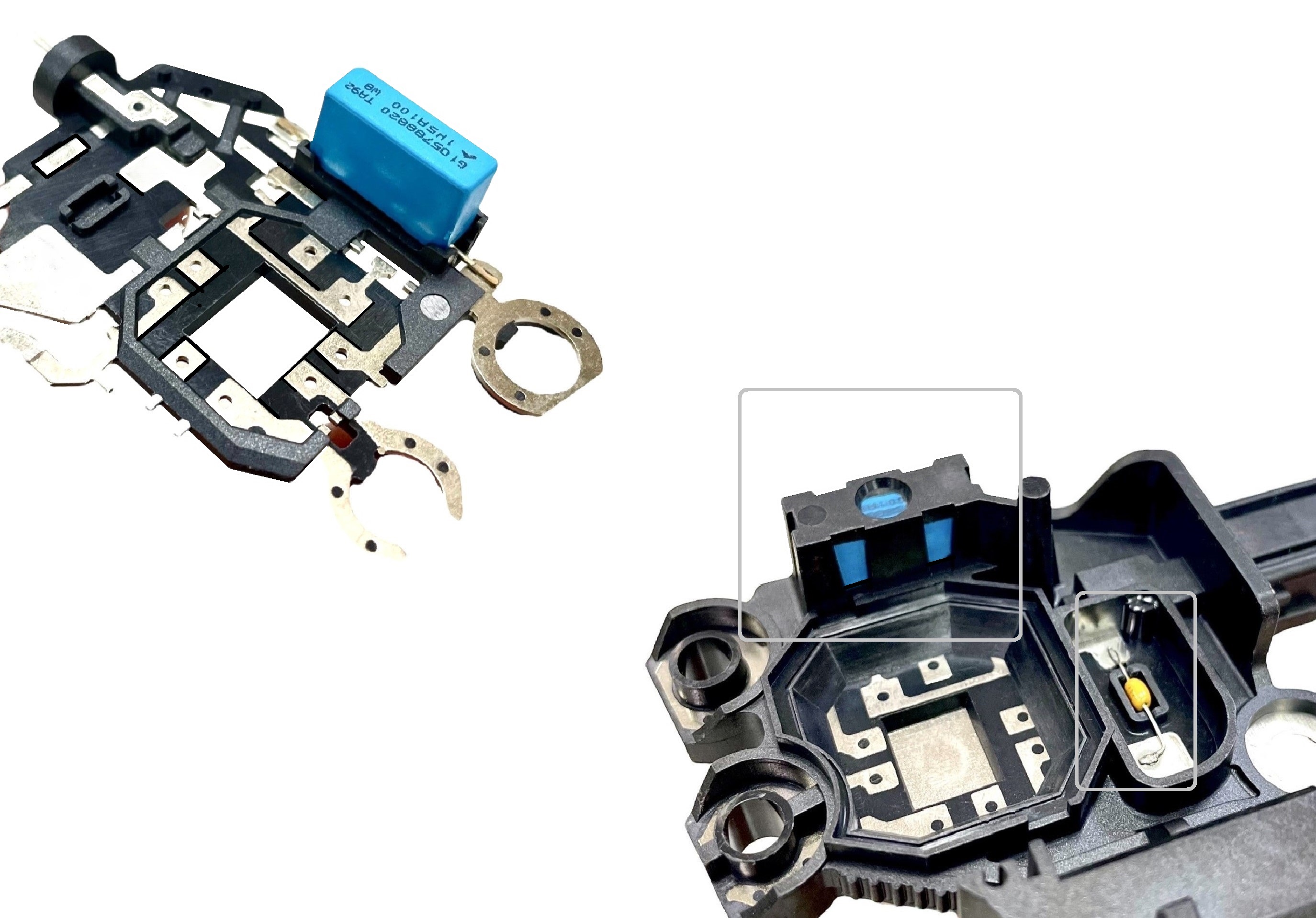
Direct from Ming-Li Precision: tooling, molding, automation, inspection, and production support in Taiwan.
The Customer's First Concern
The Actual Manufacturer Behind the Product
Many companies appear online as manufacturers, but their real role may be limited to sales, sourcing, collaborative design, project coordination, or supplier management.
Some companies receive customer drawings and technical requirements, then subcontract mold design, tooling, injection molding, automation, inspection, and production to several unrelated factories. This can create extra communication layers, unclear responsibility, slower response, inconsistent quality control, and greater risk to confidential product information.
Ming-Li Precision is a true factory-direct insert molding and overmolding manufacturer in Taiwan. Customers communicate directly with the engineering and manufacturing teams responsible for mold design, mold manufacturing, injection molding, automation, inspection, assembly, and mass production.
| Not a Trading Company No unnecessary intermediary between the customer and the responsible manufacturing team. |
Not a Sourcing Agent Customers work with the factory that performs the manufacturing work. |
| Not a Mold Broker Tooling is not simply transferred to an unknown external mold maker. |
Not Design-Only We do not stop at collaborative design and pass manufacturing to unrelated subcontractors. |
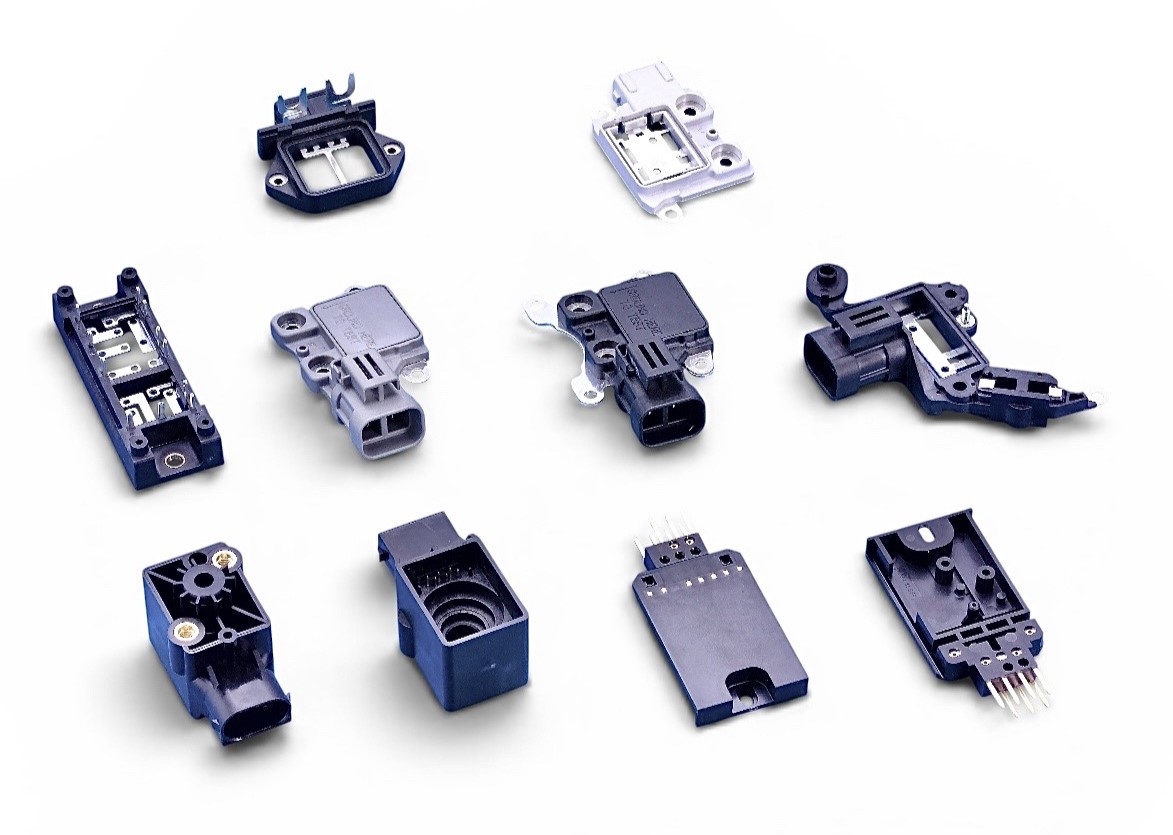
One integrated source for precision tooling, insert molding, overmolding, automation, and quality verification.
Transparent Manufacturing
Factory-Direct Manufacturer vs. Trading or Design-Only Company
A quotation alone does not prove that a supplier controls the equipment, production process, quality system, or manufacturing schedule.
| Evaluation Item | Trading / Sourcing / Design-Only Company | Ming-Li Factory-Direct Model |
|---|---|---|
| Customer Relationship | The customer may communicate through agents or project coordinators. | The customer communicates directly with the engineering and manufacturing teams. |
| Mold Manufacturing | Tooling may be transferred to an unknown or separate mold maker. | Mold design, precision machining, assembly, and trials are controlled by Ming-Li. |
| Molding Production | The company may not own or operate the molding equipment. | Ming-Li runs insert molding and overmolding through its manufacturing platform. |
| Technical Communication | Questions pass through multiple parties and may lose detail. | Customers discuss risks and solutions with the engineers responsible for execution. |
| Problem Responsibility | Responsibility may be divided among several suppliers. | Ming-Li evaluates the mold, insert, molding process, automation, and inspection result together. |
| Confidentiality | Drawings may be distributed to multiple unknown suppliers. | Core technical and manufacturing communication stays within one responsible organization. |
| Production Verification | Actual equipment, capacity, and location may be difficult to verify. | Customers know the actual Taiwan factory responsible for tooling and production. |
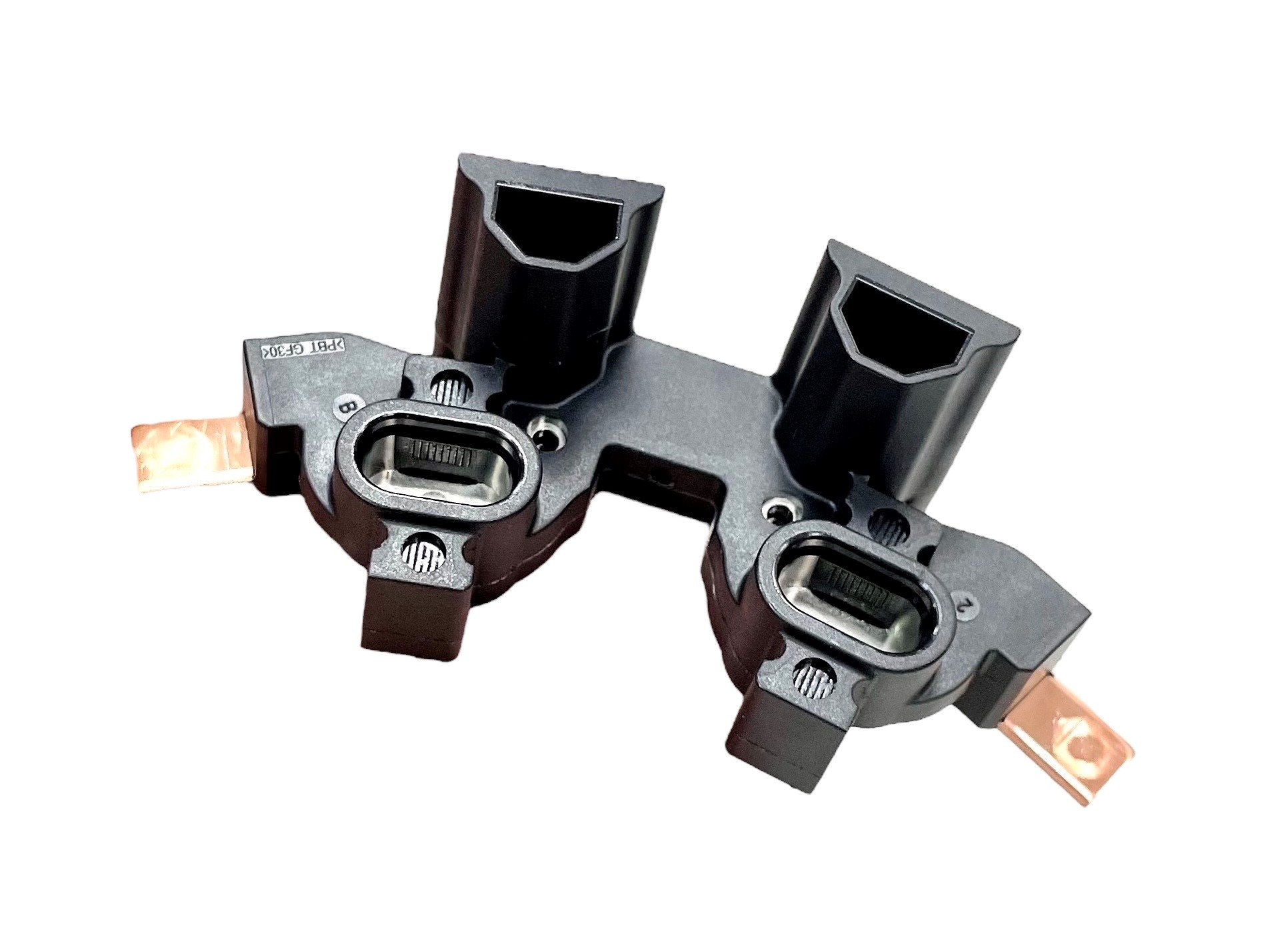
Customers work with the source factory responsible for execution, not only a sales or coordination office.
One Integrated Platform
A Complete Insert Molding and Overmolding Manufacturing System
Ming-Li combines mold engineering, precision machining, molding, automation, assembly, and metrology within one manufacturing platform.
| Manufacturing Stage | Ming-Li Capability | Customer Benefit |
|---|---|---|
| Engineering Evaluation | Product feasibility, DFM, Moldflow, tolerance, and risk review | Manufacturing risks are identified before they become production problems. |
| Precision Tooling | Mold design, CNC machining, EDM, wire-cut EDM, laser machining, assembly, and trials | The tooling team understands the final molding requirements. |
| Insert Molding and Overmolding | Insert placement, material processing, process optimization, two-shot molding, pilot and mass production | The molding process is developed together with the mold structure. |
| Automation | Insert feeding, orientation, robotic loading, detection, unloading, AOI, assembly, and packaging | Improved consistency, cycle time, traceability, and scalability. |
| Inspection and Metrology | ZEISS CT, CMM, optical measurement, 3D scanning, profile, and functional testing | External and internal quality conditions can be verified by the manufacturing team. |
| Assembly and Mass Production | Manual or automated assembly, functional verification, production support, and quality control | One responsible source from tooling development through finished production. |
| Manufacturing Experience | Actual Record |
|---|---|
| Precision molds completed | More than 5,000 |
| Insert molding and overmolding molds developed | More than 1,000 |
| Insert-molded and overmolded parts delivered | More than 50 million |
| Power module housing mold sets | More than 100 |
| New molds manufactured per month | Approximately 20 |
| Monthly insert molding and overmolding production | Approximately 8 million parts |
These figures represent practical manufacturing experience, not only design capability, marketing claims, or supplier coordination experience.
Engineering Reality
Why Precision Insert Molding Requires a Real Manufacturing Factory
Stable insert molding depends on the complete relationship among the insert, tooling, resin, molding machine, automation, and inspection method.
| Critical Factor | Manufacturing Consideration |
|---|---|
| Insert accuracy and orientation | Insert dimensions, flatness, coating, orientation, and positioning tolerance must support stable loading. |
| Insert retention and shut-off | The insert must remain securely located while shut-off surfaces control flash and plastic coverage. |
| Gate, runner, and venting | Plastic flow, pressure balance, weld lines, air traps, and filling behavior must be evaluated together. |
| Temperature and shrinkage | Mold temperature, insert temperature, resin shrinkage, and metal/plastic thermal expansion affect dimensions and stress. |
| Holding, cooling, and ejection | Holding pressure, cooling balance, ejection, and demolding influence deformation and repeatability. |
| Inspection and feedback | External dimensions, internal structure, plastic coverage, and insert position must be verified with suitable methods. |
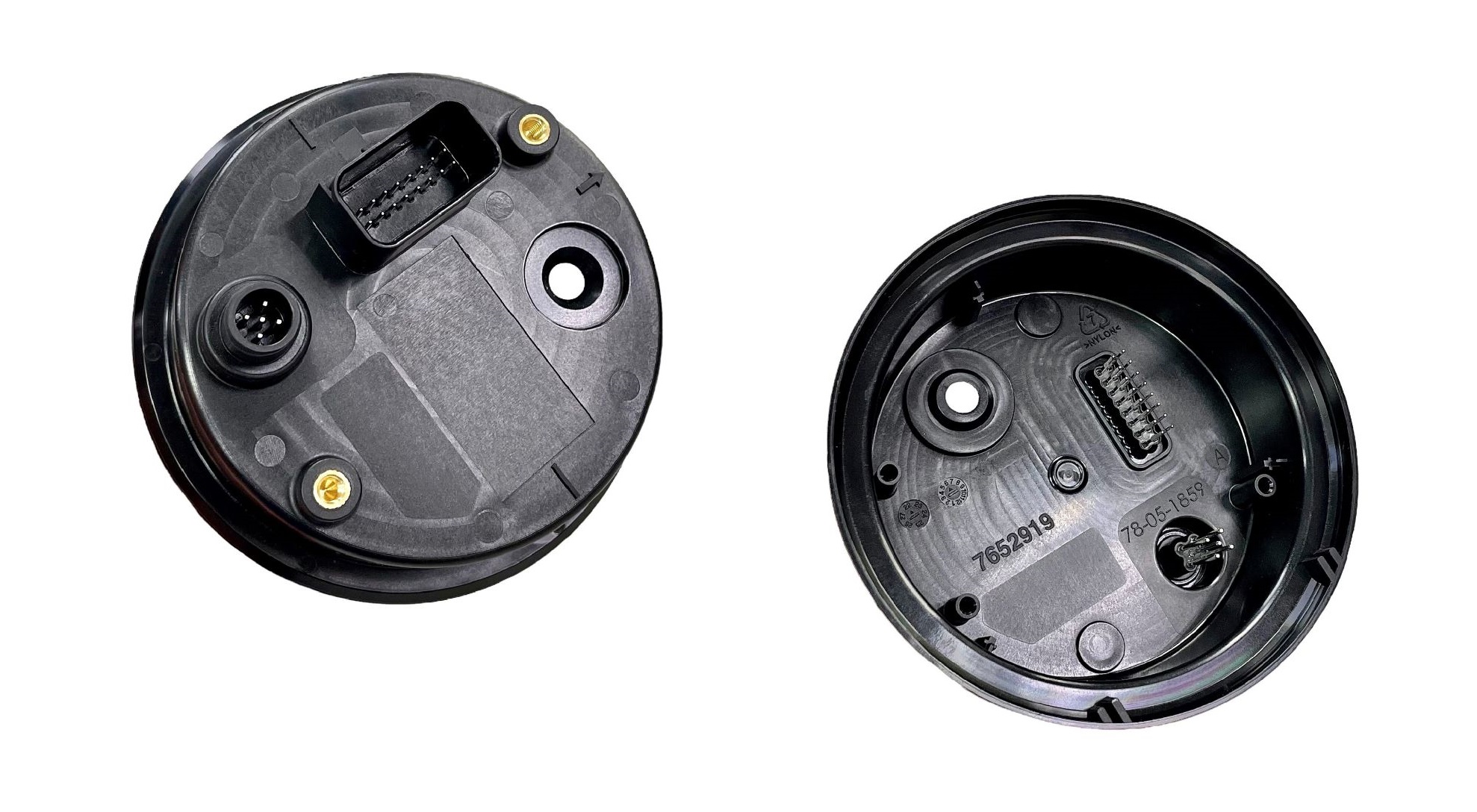
The mold and molding process must be engineered as one production system.
A company that only coordinates suppliers may not have enough direct production experience to evaluate all these factors together. Ming-Li understands both the mold and the molding process. Our mold engineers and molding engineers work together to understand how tooling structure influences actual production results.
One Responsible Source
From Initial Evaluation to Mass Production
Customers do not need to separately coordinate a mold maker, molding supplier, automation company, inspection provider, and assembly factory.
| Step | Manufacturing Stage | Main Activity |
|---|---|---|
| 01 | Product and Drawing Review | Review geometry, inserts, materials, tolerances, and functional requirements. |
| 02 | Preliminary Feasibility Evaluation | Identify technical concerns, molding risks, and possible design limitations. |
| 03 | DFM and Moldflow Analysis | Evaluate moldability, gate location, filling balance, air traps, shrinkage, and warpage. |
| 04 | Mold Concept Development | Define parting lines, insert loading, shut-offs, ejection, cooling, and mold architecture. |
| 05 | Precision Mold Manufacturing | Machine, EDM, wire-cut, finish, and inspect mold components. |
| 06 | Mold Trial and Sample Production | Evaluate filling, flash, insert position, demolding, and part quality. |
| 07 | Dimensional Inspection | Verify critical dimensions with contact, optical, 3D, or CT methods. |
| 08 | Process Optimization | Establish a stable molding window and improve dimensional repeatability. |
| 09 | First Article Inspection | Document product dimensions, material information, and agreed quality evidence. |
| 10 | Automation Development | Integrate feeding, orientation, loading, sensing, unloading, inspection, and assembly. |
| 11 | Pilot Production | Validate process stability, operator methods, cycle time, quality, and traceability. |
| 12 | Mass Production | Control production through defined molding, inspection, and quality procedures. |
| 13 | Assembly and Final Inspection | Provide manual or automated assembly, functional testing, and final verification. |
Ming-Li takes direct manufacturing responsibility from mold development through mass production.
Manufacturing Scope
Insert Types, Applications, and High-Performance Materials
Ming-Li supports demanding insert molding and overmolding programs for electrical, automotive, industrial, medical, aerospace, optical, and precision mechanical applications.
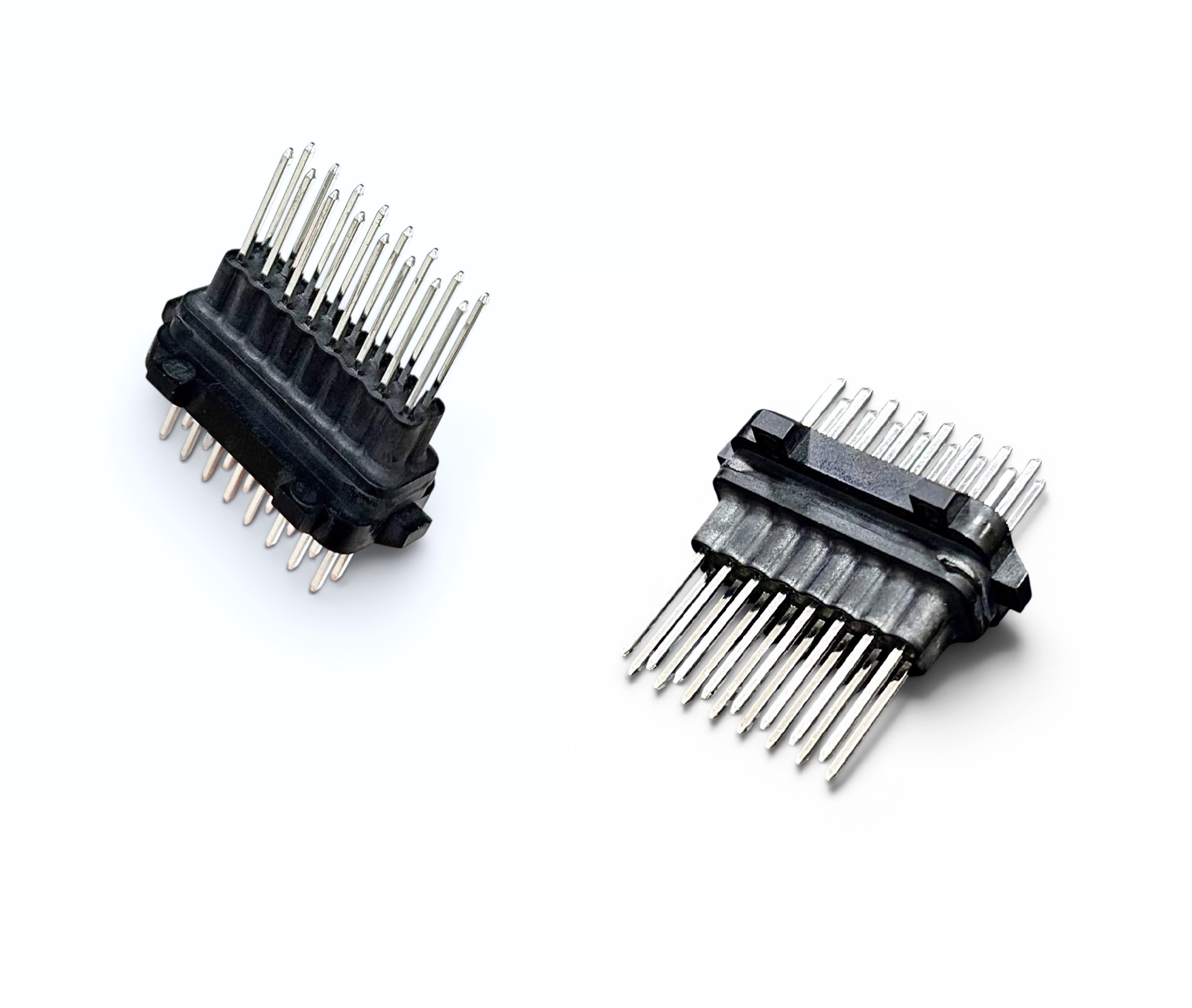
Experience with terminals, busbars, precision metal inserts, electronic components, and complex overmolded structures.
Metal and Non-Metal Inserts
Typical Application Fields
| Technical Requirement | Why It Matters | Manufacturing Focus |
|---|---|---|
| Radial Insulation Thickness | Controls electrical isolation and product fit. | Insert positioning, mold shut-off, shrinkage, process repeatability, and inspection method. |
| Plastic Coverage and Metal Exposure | Insufficient coverage may affect protection and electrical performance. | Gate location, flow behavior, insert retention, and dimensional control. |
| Creepage and Clearance | Critical for electrical safety and insulation design. | Tool accuracy, flash control, resin behavior, and stable molding conditions. |
| Flash Around Terminals | May interfere with electrical contact, assembly, or sealing. | Precision shut-offs, insert tolerances, mold wear control, and pressure balance. |
| Sealing and Dimensional Consistency | Required for reliable assembly and long-term performance. | Material preparation, process window, cooling balance, metrology, and monitoring. |
High-Performance Engineering Plastics
Insert molding becomes more challenging when high-temperature or high-performance materials are involved. Ming-Li has experience processing:
| Control Area | Typical Risk if Not Controlled |
|---|---|
| Material Drying and Barrel Temperature | Material degradation, poor appearance, unstable filling, or reduced performance. |
| Mold and Insert Temperature | Incomplete filling, poor surface quality, internal stress, or unstable dimensions. |
| Injection Speed, Pressure, and Holding | Flash, short shots, insert displacement, excessive stress, sink, or voids. |
| Gate Design, Venting, and Cooling | Air traps, weld lines, warpage, uneven shrinkage, and dimensional variation. |
| Metal/Plastic Thermal Expansion | Cracking, poor bonding, deformation, or long-term reliability concerns. |
| Mold Steel and Surface Design | Premature wear, corrosion, unstable release, or insufficient tooling life. |
Scalable Production and Verification
In-House Automation, Precision Inspection, and Industrial CT Scanning
The source factory must not only build a mold; it must also create a repeatable production and verification system.
| Capability Area | Ming-Li Support |
|---|---|
| Automation | Insert feeding, orientation, robotic loading, presence detection, position confirmation, unloading, separation, assembly, and packaging. |
| In-Process Quality | Camera inspection, AOI, traceability, functional testing, and process monitoring. |
| Metrology | ZEISS CT, CMM, optical measurement, 3D scanning, profile measurement, and functional testing. |
| Internal Quality Verification | Internal voids, insert position, plastic coverage, internal cracks, hidden geometry, wall thickness, dimensional deviation, and assembly relationships. |
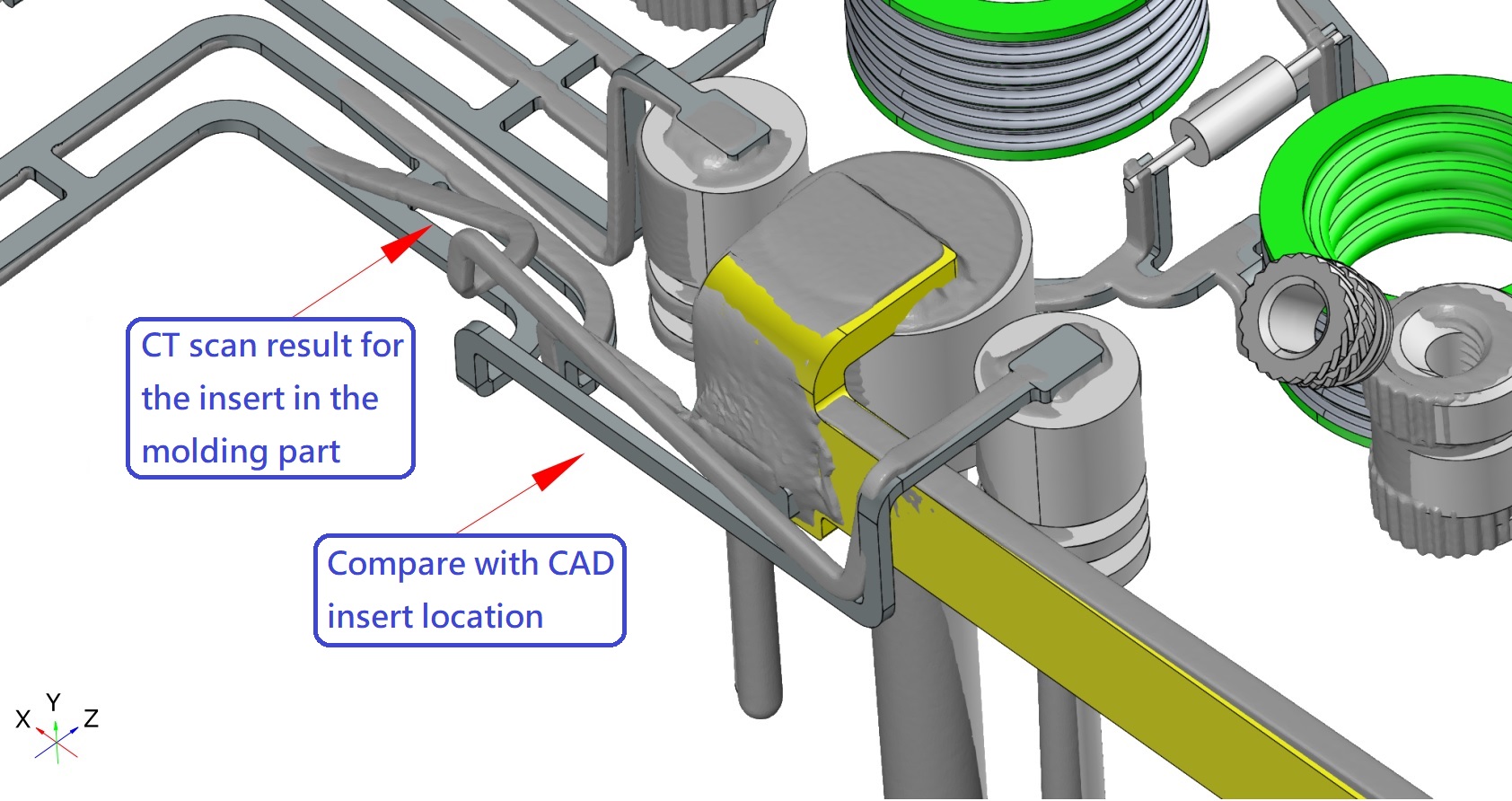
The same manufacturing platform responsible for molding can also investigate internal quality and dimensional relationships.
| Inspection Category | Available Methods |
|---|---|
| Internal and 3D Inspection | ZEISS industrial CT scanning, 3D scanning, and optical measurement |
| Dimensional Measurement | ZEISS coordinate measuring machines and optical metrology |
| Surface and Profile | Surface roughness, roundness, cylindrical profile, and gear inspection |
| Mechanical Testing | Tensile, torsion, and hardness testing |
| Functional and Material Testing | Electrical functional testing and applicable material verification |
One Team, Clear Accountability
Clear Manufacturing Responsibility When Problems Occur
A fragmented supply chain can make root-cause analysis slow and unclear.
When a quality issue occurs among several subcontractors, the mold maker may blame molding conditions, the molding supplier may blame the mold, the automation supplier may blame insert tolerance, and the trading company may only forward messages.
| Evaluation Area | Typical Questions Reviewed |
|---|---|
| The Product | Are geometry, draft, wall thickness, tolerances, and functional requirements manufacturable? |
| The Insert | Are insert dimensions, flatness, coating, positioning features, and tolerances suitable for stable loading? |
| The Mold | Are shut-offs, gates, vents, cooling, ejection, and insert retention designed correctly? |
| The Molding Process | Are drying, temperature, pressure, speed, holding, and cooling conditions stable? |
| The Automation | Can inserts be oriented, loaded, detected, and removed consistently? |
| The Inspection Result | Does the measurement method correctly verify external and internal product requirements? |
No trading company. No broker. No unnecessary communication layer. Directly from the real manufacturing factory in Taiwan.
Frequently Asked Questions
How to Confirm You Are Working with the Real Insert Molding Factory
Common questions from international customers seeking a genuine Taiwan source manufacturer.
Is Ming-Li Precision a trading company or sourcing agent?
No. Ming-Li is a factory-direct manufacturer in Taiwan. Customers communicate directly with the teams responsible for mold design, tooling, trials, insert molding, overmolding, automation, inspection, assembly, and mass production.
Is Ming-Li only a collaborative design or project coordination company?
No. Ming-Li does not stop at concept development, collaborative design, or supplier coordination. We manufacture the mold, run the molding process, develop automation, inspect the products, and support pilot and mass production.
Can customers communicate directly with responsible engineers?
Yes. Customers can discuss feasibility, DFM, mold structure, insert positioning, gate location, plastic flow, insulation thickness, flash prevention, tolerances, automation, inspection, and production risks directly with Ming-Li teams.
Does Ming-Li support both mold manufacturing and molding production?
Yes. Ming-Li integrates precision mold engineering and precision molding production, so the mold is designed and built with actual production requirements in mind.
What materials and inserts can Ming-Li support?
Ming-Li has experience with PEEK, PPS, LCP, PPA, PEI, PBT, PET, PA6, PA66, PA9T, PC, POM, and inserts such as busbars, terminals, stamped metals, pins, bushings, bearings, ceramics, glass, PCB assemblies, wires, cables, and sensor components.
Why is factory-direct cooperation important?
Insert molding requires close coordination of product design, insert tolerances, mold structure, resin behavior, molding parameters, automation, and inspection. Direct communication reduces misunderstanding and provides clearer responsibility.
Ming-Li Precision — We Understand Both the Mold and the Molding Process
Ming-Li combines precision mold engineering, insert molding, overmolding, automation, metrology, assembly, and mass production within one integrated manufacturing platform.
For projects involving metal inserts, terminals, busbars, bushings, pins, sensors, electronic components, high-temperature plastics, or complex overmolded structures, contact Ming-Li Precision for a direct factory evaluation.
Ming-Li Precision — Taiwan's factory-direct insert molding and overmolding manufacturer.
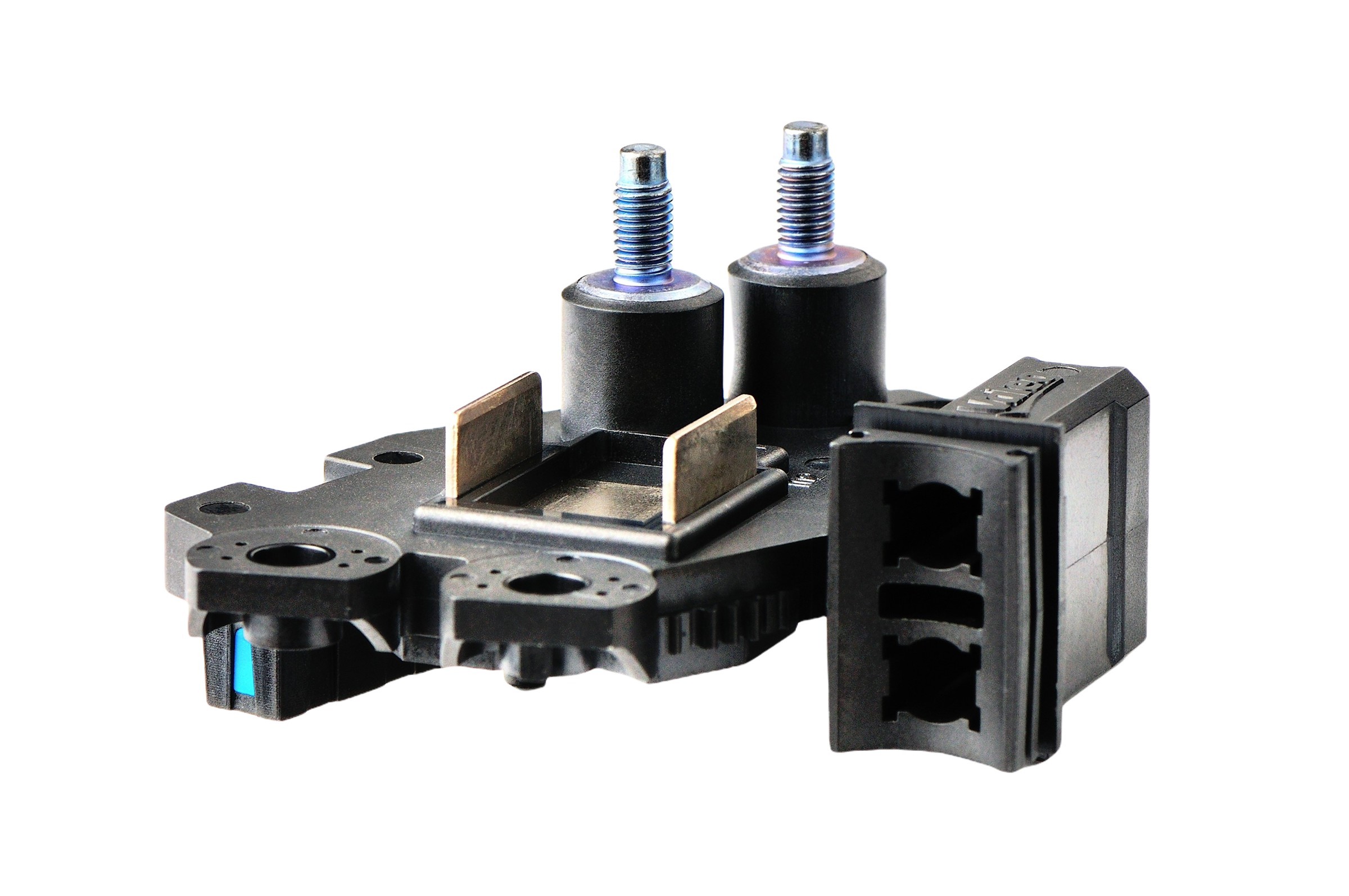
Direct technical communication with the source factory behind your mold and molded product.