
Blog
FPC Insert Molding, Overmolding & 2 Shot Molding Solutions for Electronic Sensor Tags
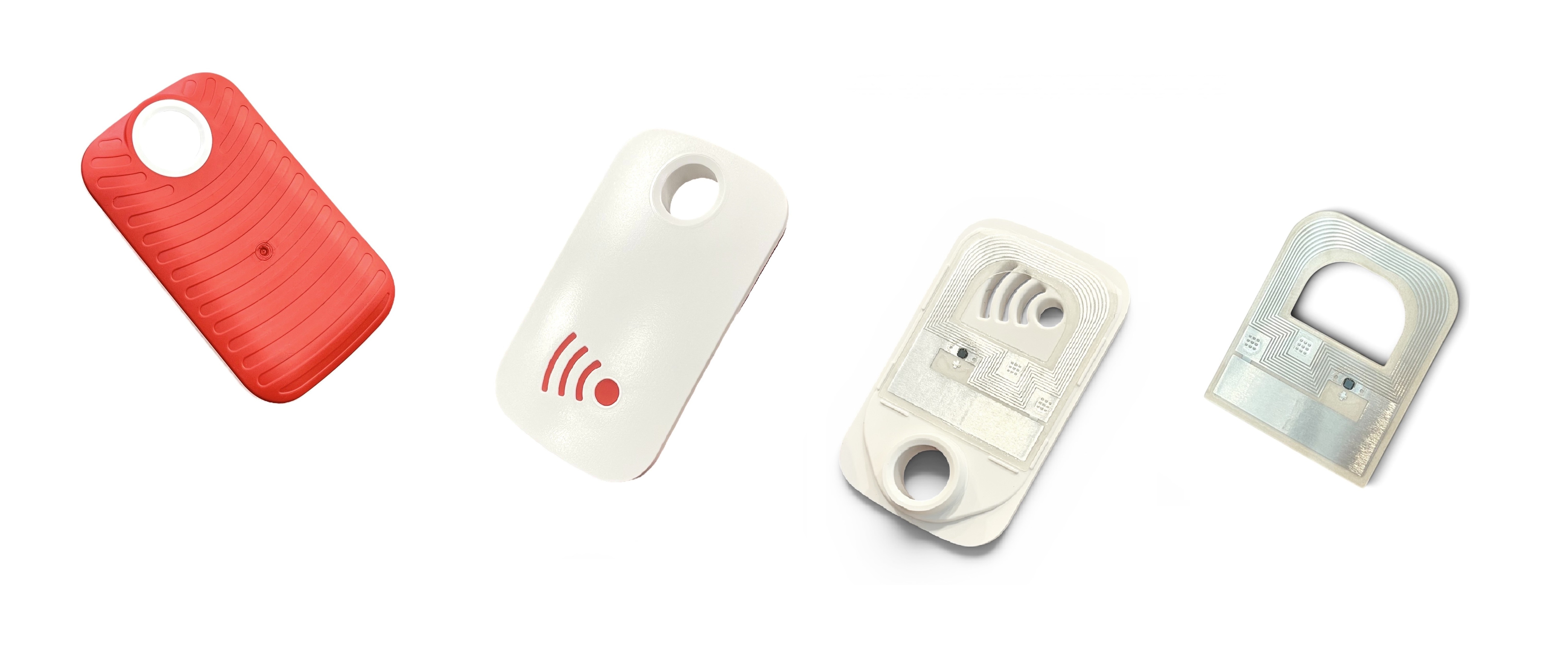
FPC Insert Molding, Overmolding & 2 Shot Molding Solutions
FPC Insert Molding Manufacturer for Flexible Printed Circuit Applications
FPC Insert Molding, FPC Overmolding, and 2 Shot Molding technologies are essential for smart electronic products requiring miniaturization, waterproof protection, durability, and integrated electronic functionality.
As a trusted Taiwan FPC insert molding manufacturer, Ming-Li Precision Steel Molds Co., Ltd. specializes in FPC insert molding, FPC waterproof overmolding, 2 shot molding, and OEM/ODM precision molding manufacturing, helping global customers develop and mass-produce highly integrated electronic products.
One successful example is our Electronic Sensor Tag application, integrating:
ABS + TPV + FPC (Flexible Printed Circuit)
Through advanced multi-material molding, Ming-Li Precision helps customers integrate rigid plastic, soft elastomer, and electronic circuits into one reliable molded component.
What is FPC Insert Molding?
FPC insert molding is an advanced plastic injection molding process in which a Flexible Printed Circuit (FPC) is precisely inserted into the mold cavity before plastic injection. The molded resin then encapsulates or partially overmolds the FPC, creating a highly integrated electronic component.
Compared with traditional PCB assembly methods, Flexible Printed Circuit insert molding offers several key advantages:
1. Product Integration
Electronic circuitry and plastic housing are combined into a single component, reducing assembly complexity and improving product reliability.
2. Waterproof and Dustproof Protection
FPC waterproof overmolding helps protect flexible circuits from moisture, dust, contamination, vibration, and external impact.
3. Miniaturization & Lightweight Design
FPC allows thinner and lighter product structures compared to rigid PCB assemblies.
4. Reduced Assembly Cost
Fewer assembly steps result in lower labor cost and improved manufacturing consistency.
Today, FPC insert molding is widely used in:
- Electronic Sensor Tags
- Smart Access Devices
- RFID Components
- Wearable Electronics
- Medical Devices
- Automotive Electronics
- Smart IoT Products
- Industrial Sensors
Ming-Li Precision’s Expertise in FPC Insert Molding
Unlike conventional injection molders, Ming-Li Precision offers complete in-house tooling and integrated molding solutions, combining:
FPC Insert Molding + FPC Waterproof Overmolding + 2 Shot Molding
With years of experience in precision insert molding, Ming-Li has developed strong know-how in molding products involving:
- FPC (Flexible Printed Circuit)
- Flexible PCB insert molding
- Sheet-fed FPC positioning
- Metal insert molding
- Magnet insert molding
- Precision electronic components
- High-performance engineering plastics
Our engineering team understands the critical challenges involved in FPC overmolding and FPC injection molding, including FPC positioning, resin flow control, warpage prevention, electrical protection, and stable mass production.
Accurate FPC Positioning
FPC components are extremely thin and sensitive to misalignment. Ming-Li develops precision mold fixtures and positioning systems to ensure:
- Accurate FPC insert positioning
- Stable dimensional control
- Reliable electrical functionality
- Reduced reject rate
Low-Pressure Molding Concept for FPC Protection
FPC circuits can be damaged by excessive injection pressure, resin flow impact, or improper mold structure. Ming-Li applies optimized injection parameters and low-pressure molding concepts to protect delicate FPC circuits during insert molding and overmolding.
We carefully optimize injection pressure, resin flow, mold temperature, and clamping force to prevent circuit wash, FPC shifting, flashing, or delamination of flexible circuits, ensuring reliable electrical performance after the insert molding and 2 shot molding process.
FPC Protection During Injection Molding
Improper molding conditions may cause FPC deformation, broken circuits, delamination, or functional failure. To address this, Ming-Li carefully controls:
- Injection pressure
- Mold temperature
- Resin flow behavior
- Clamping precision
- Mold structure optimization
This ensures maximum protection of delicate FPC components during production.
FPC Insert Molding Case Study – Electronic Sensor Tag Manufacturing
One of Ming-Li Precision’s successful applications is the development and manufacturing of an Electronic Sensor Tag, integrating:
ABS
ABS is used for the rigid structural housing and dimensional stability.
TPV
TPV provides soft-touch properties, impact resistance, flexibility, and improved sealing performance.
FPC (Flexible Printed Circuit)
FPC provides electronic sensing and signal transmission functionality.
By combining these materials into a single product, Ming-Li successfully created a highly integrated electronic component with both mechanical and electronic performance.
This type of product requires extensive expertise in:
- FPC insert molding
- FPC waterproof overmolding
- 2 shot molding
- Multi-material molding
- Precision insert molding
- Dimensional stability control
- Soft and rigid material bonding
- Post-molding electrical validation
These are difficult for ordinary molding suppliers to achieve consistently, especially when the product requires stable electronic functionality after molding.
FPC Waterproof Overmolding Technology for Enhanced Electronic Protection
To improve durability and product reliability, Ming-Li applies FPC waterproof overmolding technology to protect sensitive electronic areas.
Through TPV overmolding, electronic sensor components can achieve:
Improved Water Resistance
Protects electronic circuitry from moisture and humidity.
Dust Protection
Prevents contamination of sensitive internal components.
Shock Resistance
Soft materials help absorb external impact.
Better Product Durability
Increases long-term reliability in demanding environments.
For electronic sensing products, proper FPC overmolding is essential to maintain functionality and product life.
2 Shot Molding for FPC and Multi-Material Integration
Ming-Li Precision also integrates 2 shot molding technology to combine rigid and soft materials in one manufacturing process.
For this Electronic Sensor Tag application:
First Shot: ABS Rigid Housing
ABS provides mechanical strength, structural stability, and dimensional accuracy.
Second Shot: TPV Soft Overmold
TPV provides soft-touch performance, sealing capability, shock resistance, and product protection.
This enables:
- Premium product appearance
- Improved product protection
- Reduced secondary assembly
- Better sealing performance
- Improved production consistency
As demand for smart electronics continues to grow, 2 shot molding combined with FPC insert molding has become a preferred manufacturing solution for many OEM electronic products.
Quality Validation for FPC Insert Molding Applications
For FPC electronic applications, visual quality alone is not enough. Even when the molded part looks perfect, internal circuits may still be affected by pressure, heat, or material flow during molding.
Ming-Li Precision implements post-molding electrical continuity verification and quality inspection to ensure stable electrical functionality and manufacturing reliability.
Combined with precision tooling, controlled molding parameters, and dimensional inspection, this helps customers reduce the risk of electrical failure, unstable sensing performance, and assembly defects.
Why Choose Ming-Li Precision as Your FPC Insert Molding Supplier?
As an experienced FPC insert molding supplier and manufacturer in Taiwan, Ming-Li Precision offers complete engineering and production support from concept review to mass production.
In-House Precision Mold Manufacturing
Ming-Li Precision has its own mold design and mold manufacturing department, allowing faster engineering communication, better mold optimization, and stronger control over product quality.
High-Precision Tooling Capability
Ming-Li Precision provides high-precision mold manufacturing capability with machining accuracy up to ±1 μm, supporting demanding FPC insert molding, overmolding, and precision electronic component applications.
Precision Insert Molding Expertise
- FPC insert molding
- FPC waterproof overmolding
- Electronic insert molding
- Metal insert molding
- Magnet insert molding
- Precision engineering plastic molding
Advanced Engineering Support
- DFM (Design for Manufacturability)
- Moldflow analysis
- Mold design optimization
- Tolerance review
- Material selection support
- Mass production feasibility review
Multi-Material Molding Capability
- Overmolding
- 2 shot molding
- Multi-material molding
- ABS + TPV molding
- Engineering plastic molding
- FPC OEM molding
OEM / ODM Manufacturing Support
Ming-Li Precision supports customers from prototype development to tooling, trial molding, validation, and mass production.
Frequently Asked Questions About FPC Insert Molding
What is FPC insert molding?
FPC insert molding is a plastic injection molding process where a Flexible Printed Circuit is inserted into the mold before injection, allowing the plastic resin to encapsulate or partially cover the FPC to create an integrated electronic component.
What is FPC waterproof overmolding?
FPC waterproof overmolding is a molding process that uses plastic or elastomer material to protect the FPC from moisture, dust, vibration, and external damage. It is commonly used in sensor tags, automotive electronics, wearable devices, and smart electronic products.
What is the difference between FPC insert molding and FPC overmolding?
FPC insert molding usually refers to placing the FPC into the mold before injection, while FPC overmolding focuses on encapsulating or protecting the FPC with plastic or elastomer materials. In many electronic products, both technologies are used together.
What materials can be used for FPC overmolding?
Common materials include ABS, PC, PA, PBT, TPU, TPE, TPV, and other engineering plastics depending on product requirements such as strength, sealing, flexibility, and durability.
Why use 2 shot molding for FPC applications?
2 shot molding allows rigid and soft materials to be molded into one integrated component. For FPC applications, it can improve sealing, reduce assembly steps, enhance product appearance, and increase durability.
How does Ming-Li reduce the risk of FPC circuit damage during molding?
Ming-Li optimizes mold structure, injection pressure, resin flow, clamping force, and FPC positioning to reduce the risk of circuit wash, FPC shifting, flashing, delamination, or electrical failure during the molding process.
Can Ming-Li Precision support OEM/ODM FPC molding projects?
Yes. Ming-Li Precision supports OEM/ODM projects involving FPC insert molding, FPC overmolding, 2 shot molding, precision mold manufacturing, DFM review, tooling, trial molding, and mass production.
Request an Engineering Review for Your FPC Molding Project
Send us your 2D/3D drawings, FPC specifications, material requirements, and annual demand (EAU). Our engineering team can support DFM review, tooling feasibility analysis, and manufacturing recommendations.